Typical duties
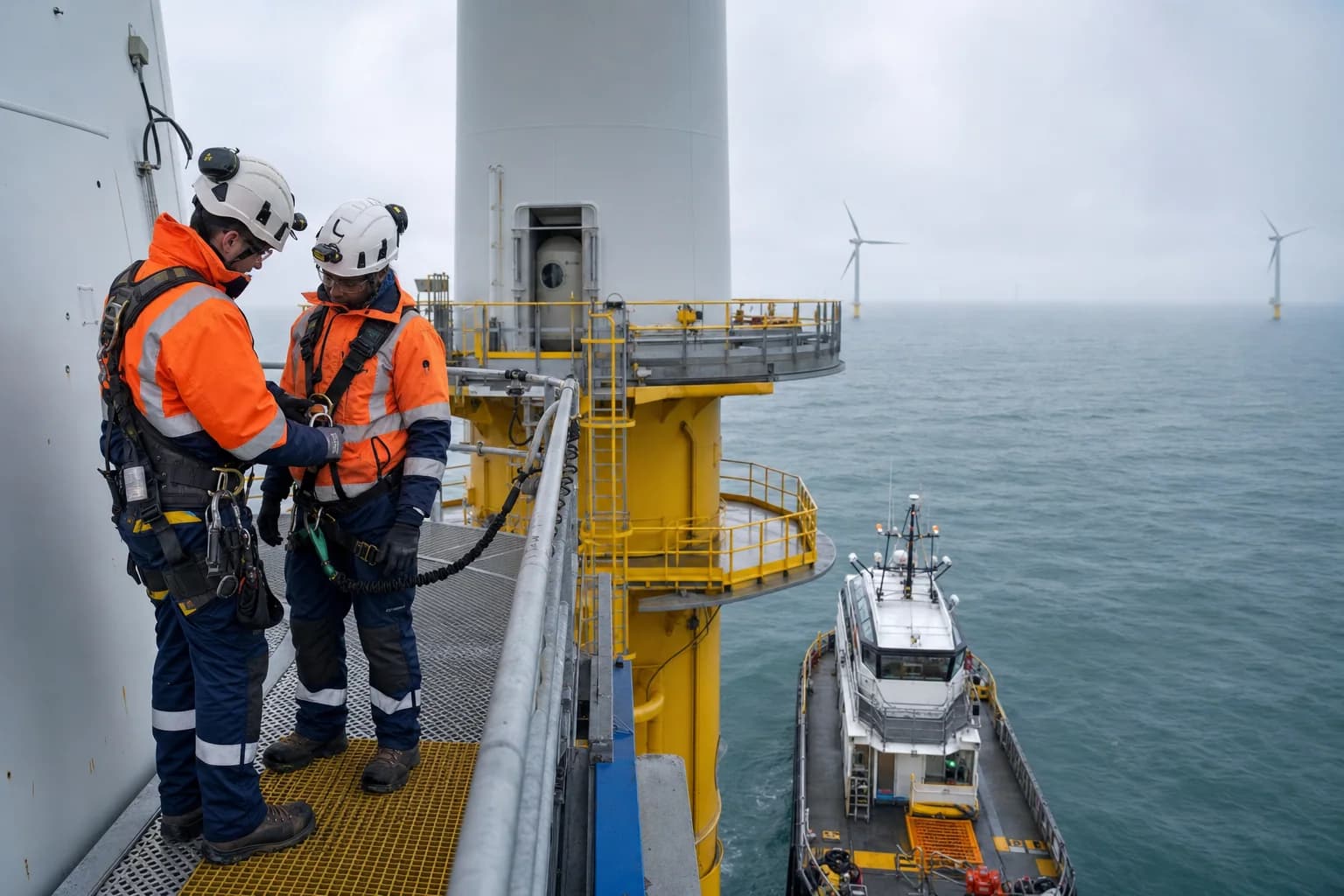
- Planned and corrective turbine maintenance
- Safe marine transfer and access
- Electrical and mechanical inspection
- Permit, isolation and rescue readiness

Power the transition
Profiles combine recognised GWO records, technical discipline and evidence of safe transfers, working at height and turbine-specific competence.
Entry technician → authorised technician → lead technician or specialist.
Training for this role
Choose training against the technical or operational wind role. The training-centre guides cover different GWO and technical routes; the Armed Forces guide explains published transition funding.
Review GWO wind training alongside broader offshore, technical and safety routes.
View provider guideLiverpool-based safety, technical, lifting, rope-access and industrial wind routes.
View provider guideReview GWO Basic Safety, refresher, Enhanced First Aid and Advanced Rescue routes at Fleetwood.
View provider guideCheck eligibility and the correct authorisation sequence before funded training.
View provider guideRole pathway guide
Offshore wind combines turbine technology with marine access and safety-critical maintenance. Roles include electrical, mechanical and multi-skilled technicians, blade and rope-access teams, lifting personnel, marine coordinators and operations support.
A credible profile connects GWO records to a productive discipline. Employers normally want to understand what equipment a technician can inspect, maintain or authorise—not only which safety modules have been completed.
Work may be based from a service vessel, crew-transfer vessel, offshore substation or accommodation platform. Transfers, climbing, weather downtime and remote fault finding are common. Projects may use rotation patterns or daily sailing from a port.
Certificate names, numbers, issuing bodies, dates and files must agree. Offshore Personnel records expiry and review status, but the employer and certificate issuer decide whether evidence is accepted for a particular assignment.
Never alter documents or describe supervised exposure as independent competence. Accurate profiles are easier to assess and safer to mobilise.
Common questions
Requirements vary by employer, asset and jurisdiction. These answers explain the recruitment approach and the evidence employers commonly assess.
GWO safety training is important but employers commonly require a relevant electrical, mechanical or other technical foundation. Role competence and safety evidence are assessed separately.
Yes, experience in maintenance, lifting, marine operations, rope access, HSE and emergency response can transfer, subject to the wind-specific training, competence and authorisations required by the employer.
No. Patterns depend on the project, vessel, port and campaign. Some roles are rotational offshore; others sail daily or support short maintenance campaigns.