Offshore project personnel
Profiles for deck support, technical project work, inspection, commissioning, subsea, ROV and specialist marine scopes can be assessed against a defined vessel programme.

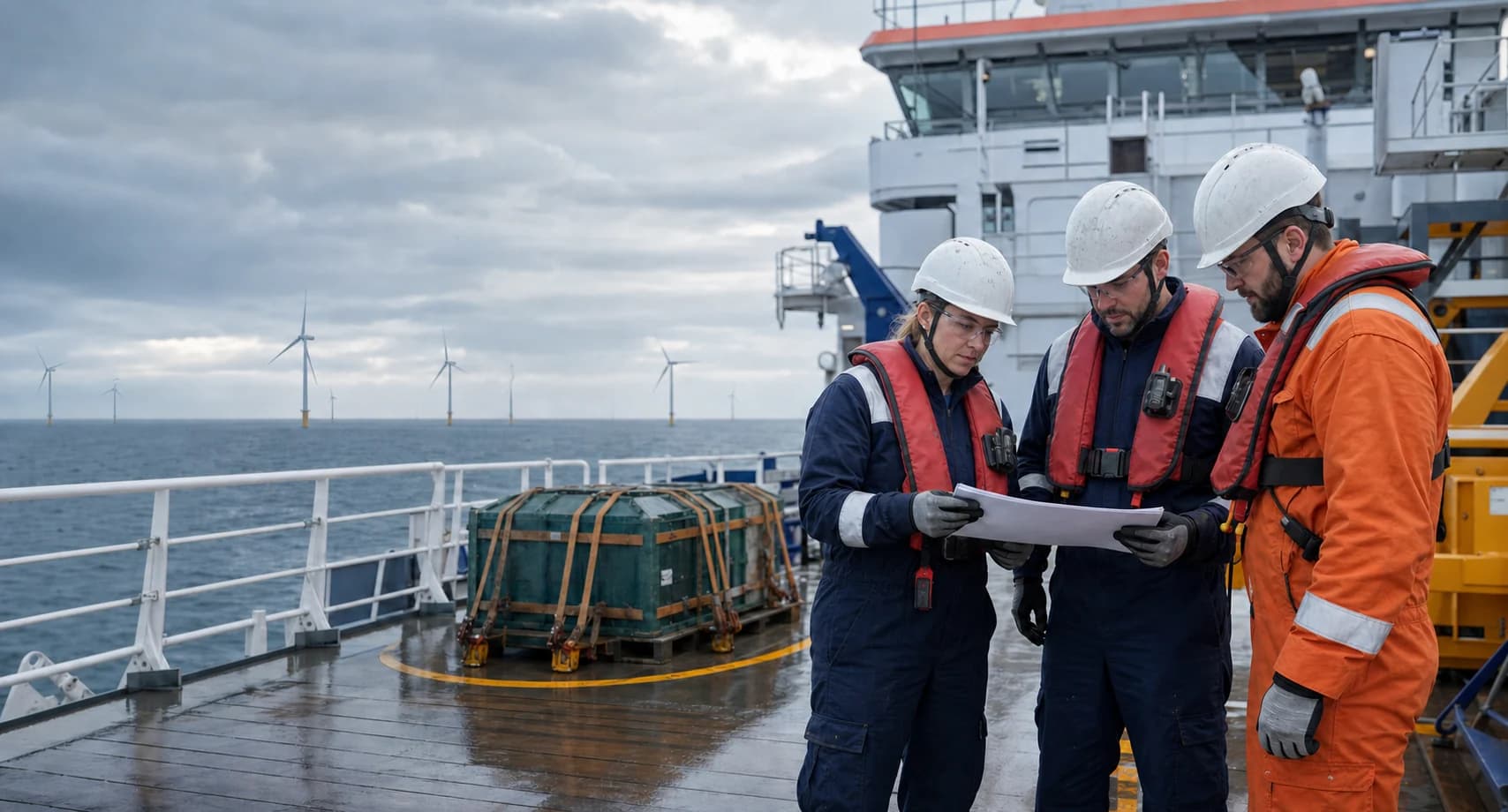
Vessels and marine support
Describe the vessel, operating area, watch pattern, duties and statutory evidence before marine personnel are assessed.
Operational scope
A deck role on an offshore support vessel is not interchangeable with every marine position. Vessel type, flag, operating area, watchkeeping duties, project scope and client management system determine what evidence and experience are appropriate.
Profiles for deck support, technical project work, inspection, commissioning, subsea, ROV and specialist marine scopes can be assessed against a defined vessel programme.
Candidate assessment can include vessel background, sea service, relevant statutory or client-required evidence, availability and the duties the individual is expected to perform.
Joining instructions, operating location, rota, PPE, medical-fitness requirements, travel and named approval routes are captured with the staffing requirement.
Delivery route
Each stage has a named decision, required information and an audit point. Later corrections create a revision instead of quietly replacing the earlier evidence.
Record vessel type, flag or operating standard where relevant, work scope, operating area and expected duties.
Separate mandatory statutory, client and project evidence from desirable experience.
Assess relevant sea service, offshore background, certificates, availability and right-to-work position.
Issue the agreed assignment information and resolve travel, rota, medical and document dependencies before joining.
What the client defines
What supports the decision
Clear responsibility
Offshore Personnel supports recruitment, evidence control and workforce administration. It does not take over the client's control of the worksite, safe system of work or statutory responsibilities.
Related worker pathways
Workforce solutions
 Oil, gas and offshore energy
01
Request UK and North Sea offshore workers with role, rota, competence, evidence and mobilisation requirements recorded from the outset.
Explore this service Planned maintenance campaigns
02
Plan North Sea shutdown and maintenance workforce requirements across trades, shifts, evidence, mobilisation and approved timesheets.
Explore this service Evidence and workforce control
03
Control offshore worker evidence, candidate sharing, certificate expiry, assignments, timesheets and finance permissions in one auditable workflow.
Explore this serviceStart with the requirement
Create a verified client account and provide the role, location, rota, dates, competence, evidence, risks, PPE and named approvers.
Common questions
Requests may relate to offshore support, project, maintenance and other specialist marine assets. The vessel and duties must be described so the correct evidence and experience can be assessed.
No. Offshore survival or safety evidence does not replace position-specific marine competence, statutory endorsements or vessel requirements. Each category is reviewed separately.
The vessel owner, operator or authorised manager remains responsible for statutory safe manning, vessel-specific acceptance, induction and operational control.